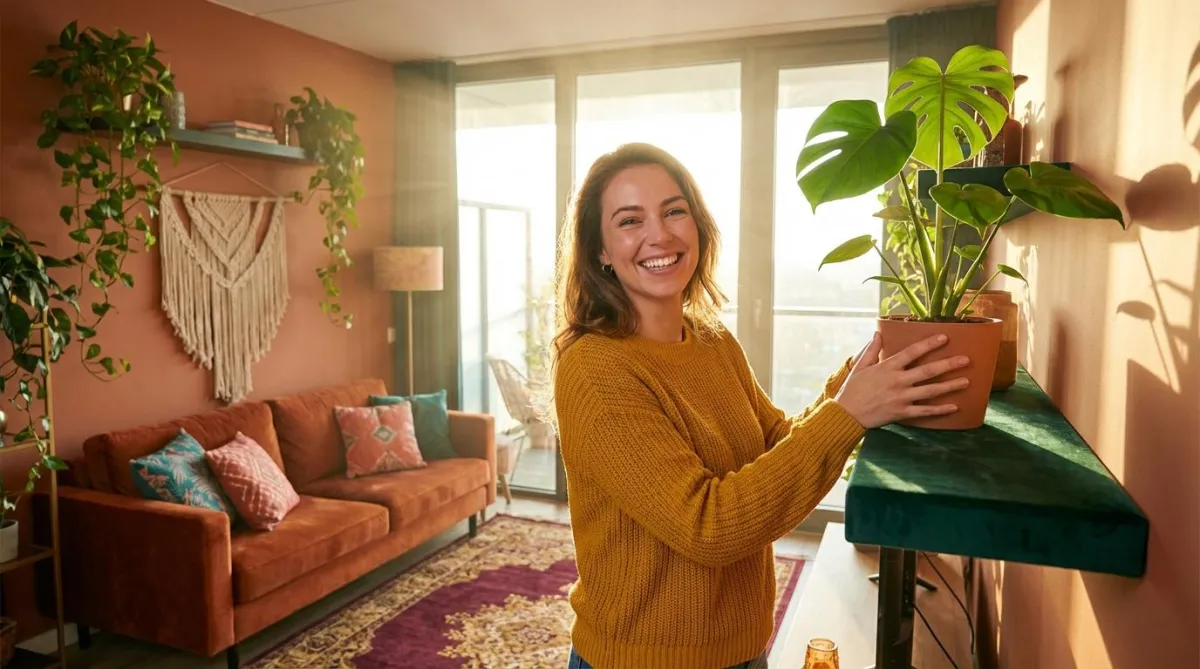
How to Make Your Solo Apartment Feel Like Home (Without Breaking the Bank)
You know that feeling when you walk into someone else's apartment and think, "Wow, they really have their life together"?
And then you look around your own place and wonder why your space doesn't feel quite... right? Like, everything'sthere—the couch, the coffee table, the obligatory plant you're trying desperately to keep alive—but something's missing.
Here's the truth: it's not about having more stuff or spending more money. It's about creating a space that actually feels likeyou.
When you live alone, your apartment isn't just where you sleep. It's your office, your gym, your restaurant, your sanctuary, and your social hub all rolled into one. That's a lot of pressure for four walls and some furniture, right?

Why Your Space Matters More Than You Think
Can we talk about something for a second? Your home literally affects your mood, your energy, and even how you sleep at night.
I'm not making this up—there's actual research showing that our living spaces have a massive impact on our wellbeing. When you're the only one living there, that impact gets even stronger because every single thing in your space is either supporting you or draining you.
Think about it. When you live with roommates or a partner, your couch might be a compromise, your wall color might be "neutral enough" for everyone. But when it's just you? Every choice can be authentically yours. And honestly? That's powerful.
The challenge is that most of us weren't taught how to create a home that actually supports our solo lifestyle. We just... accumulate stuff and hope it works out. We follow trends that don't fit our actual lives. We forget that our space should workfor us, not the other way around.
Start With How You Actually Live
Here's where it gets good. Before you buy another throw pillow or rearrange your furniture for the hundredth time, ask yourself: how do I actually spend my time at home?
Do you work from home three days a week? Then you need a workspace that doesn't make you want to crawl back into bed. Do you meal prep on Sundays? Your kitchen setup should make that easier, not harder. Do you host friends for wine and movie nights? Your seating situation needs to handle more than just you and your takeout.
Sound familiar? Most of us design for an imaginary version of ourselves—the one who cooks elaborate meals and does yoga every morning—instead of the real person who orders Thai food and scrolls TikTok from the couch.
And honestly? That's okay. The goal isn't to become someone else. It's to create a space that makes your actual life more enjoyable.
Start by being brutally honest about your routines. Where do you spend most of your time? What activities matter most to you? What's genuinely making your daily life harder? Once you know that, you can make changes that actually improve how you feel at home.
The Small Changes That Make the Biggest Difference
Let me tell you why this matters: you don't need to renovate or spend thousands of dollars to transform how your space feels.
Sometimes the biggest impact comes from the smallest shifts. Better lighting. A rug that defines your living area. Plants that make your space feel alive (even fake ones count—no judgment). A mirror that makes your studio feel twice as big.

Here's what I've learned:lighting is everything. Seriously. That harsh overhead light is killing your vibe. Add a couple of floor lamps, get some warm-toned bulbs, and suddenly your apartment feels like a completely different place. Bonus points if you can put them on dimmers or smart switches so you can adjust the mood throughout the day.
Next up: create little zones in your space. When your living room is also your bedroom, office, and dining room, visual separation helps your brain shift between modes. A bookshelf between your bed and desk. Different rugs for different areas. Even just arranging your furniture to create distinct spaces makes a huge difference.
And can we talk about vertical space? When you're tight on square footage, think up instead of out. Floating shelves, wall-mounted organizers, hanging plants—all of these give you more storage and personality without eating up your precious floor space.
The secret is focusing on changes that support how you actually live, not how Instagram tells you to live.
Making It Actually Feel Like Yours
Here's the heart of it: your space should tell your story, not look like a catalog showroom.
Those photos from your trip to Portugal? Frame them. That vintage record player you scored at a flea market? Display it. The throw blanket your grandmother made? Put it somewhere you'll actually see and use it every day.
Personal touches aren't just decoration—they're reminders of who you are, where you've been, and what matters to you. When you live alone, these visual anchors become even more important. They make your space feel less lonely and more connected to your bigger life.
I know it's tempting to keep everything minimal and Pinterest-perfect. But perfect is boring. Perfect doesn't feel like home. That weird piece of art you made in a pottery class? The collection of coffee mugs from different cities? The books piled on your nightstand? Those imperfect, personal elements are what transform an apartment intoyourapartment.
Don't be afraid to display things that spark joy, even if they don't "match" or fit a cohesive aesthetic. Your space should make you smile, not stress about whether everything coordinates.

You Deserve a Space That Feels Like Home
If any of this resonated with you—if you've been living in a space that doesn't quite feel right, or if you've been putting off making changes because you think it's not worth the effort "just for you"—let me stop you right there.
You spend more time in your home than anywhere else. You deserve a space that supports you, inspires you, and feels like a warm hug at the end of a long day. And creating that space doesn't require a huge budget or a design degree. It just requires being intentional about choosing things that actually work for your life.
Your solo apartment isn't a temporary stop until something better comes along. It's your sanctuary right now, today. And making it feel like home is one of the most meaningful investments you can make in your own wellbeing.
If you want to dive deeper into creating a life you genuinely love living—solo and all—I think you'd really enjoy exploring more resources atThe Solo Flower. Because here's the thing: when you start designing your space with intention, it changes how you feel about your entire life. And honestly? That might be exactly what you need right now.


